
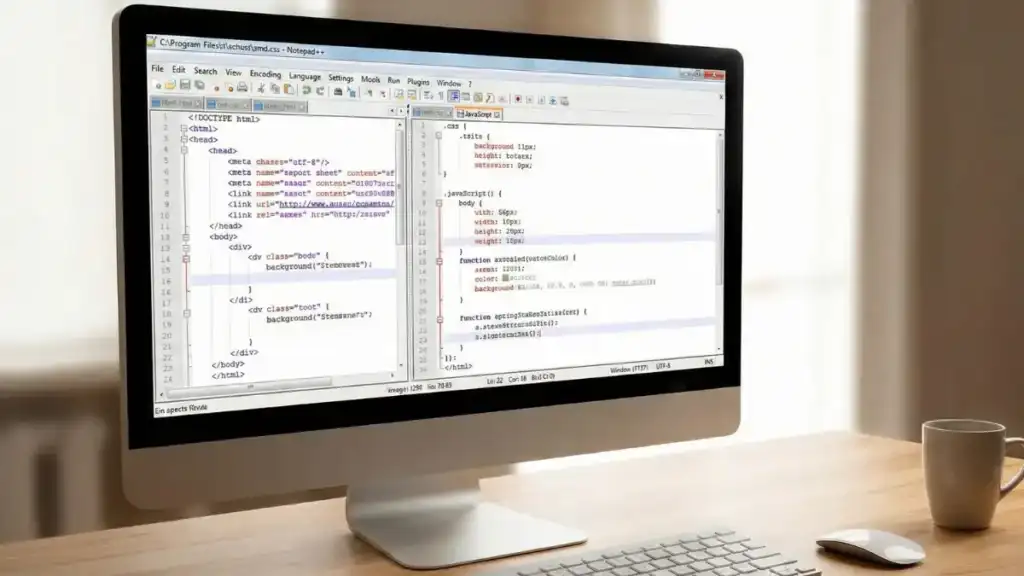
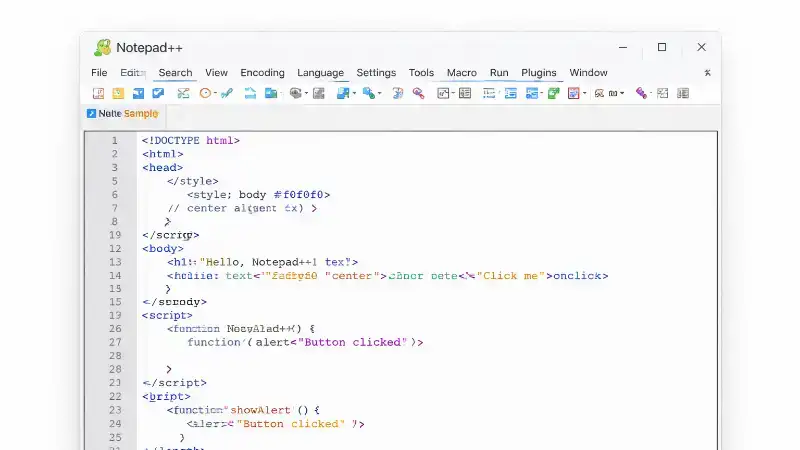
In a significant cybersecurity development, the open-source community is reeling from the disclosure that the update infrastructure for Notepad++ was hacked for nearly six months. Investigations reveal that the attack, which manipulated the software’s update mechanism rather than its source code, was likely orchestrated by Chinese state-sponsored hackers.
The Breach Mechanism
Between June and December 2025, attackers infiltrated the hosting provider used by Notepad++. Rather than altering the application code directly, the threat actors intercepted the update traffic. When specific, targeted users utilized the built-in feature to update Notepad++, they were silently redirected from legitimate servers to malicious ones controlled by the attackers. These rogue servers delivered compromised files containing backdoors instead of the genuine software.
Targeted Espionage
Security analysts, including those from Rapid7, have linked this operation to “Lotus Blossom,” a known espionage group associated with the Chinese government. The attack was highly selective; the vast majority of Notepad++ users received standard updates. The malicious redirects were triggered only for specific targets, suggesting a strategic intelligence-gathering operation aimed at high-value organizations rather than a widespread malware campaign.
Immediate Response and Remediation
Upon discovering the breach in late 2025, the developers behind Notepad++ took decisive action to secure the platform.
- Infrastructure Migration: The project has moved its hosting to a new provider with stringent security protocols.
- Enhanced Verification: Notepad++ version 8.8.9 and later now includes hardened security measures.
- Digital Signatures: The update system now strictly requires verified digital signatures and certificates before any installation can proceed, ensuring the authenticity of the files.
Why It Matters
This incident classifies as a “supply chain attack,” a growing trend where hackers exploit trusted distribution channels to bypass traditional defenses. By compromising the tool used by developers—Notepad++—attackers could potentially gain access to sensitive codebases and corporate networks.
Notepad++ paired with a lightweight laptop like the Dell XPS 13 creates a fast, distraction-free setup perfect for coding and quick edits anywhere.
Conclusion
While the core software remains safe, this incident serves as a critical warning about the fragility of software update channels. Users are urged to manually download the latest version of Notepad++ from the official website immediately to ensure they are using a clean, digitally signed version of the editor.