
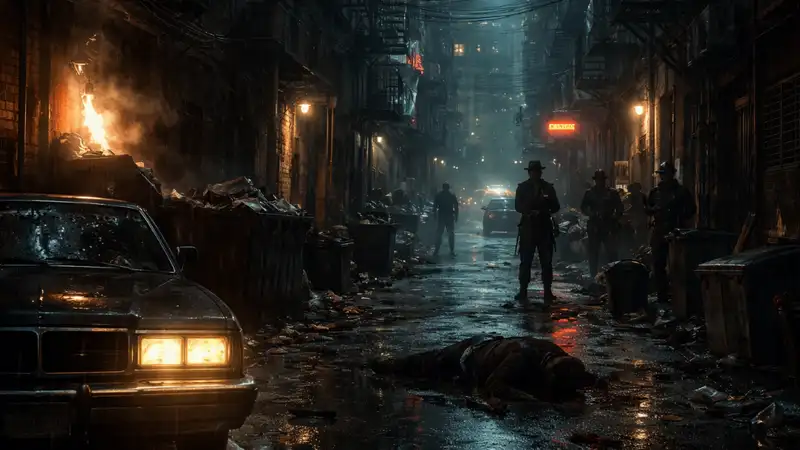
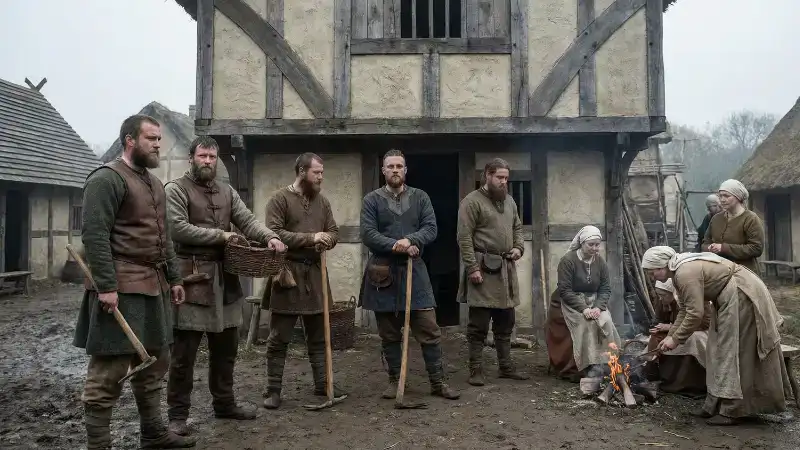
Not long ago, creating stunning visuals required years of artistic discipline, expensive software, and powerful hardware. Today, we are witnessing a paradigm shift where AI image generation allows anyone to produce realistic, artistic, and mind-blowing visuals in seconds—simply by typing a few words.
This isn’t science fiction anymore. It is a tangible reality that is reshaping how we create.
From Words to Visual Magic
Imagine typing the following sentence:
“A futuristic city floating above clouds at sunset, cinematic lighting”
Within moments, AI image generation produces a visual so detailed that many cannot distinguish it from a photograph. There is no camera involved, nor a digital paintbrush—only text and machine intelligence.
These tools understand complex nuances, including:
- Objects and environments: From household items to alien landscapes.
- Lighting and physics: Shadows, reflections, and depth of field.
- Artistic styles: Anime, cyberpunk, oil painting, or hyper-realism.
- Emotions: The mood of a scene or the expression on a face.
How Does It Work?
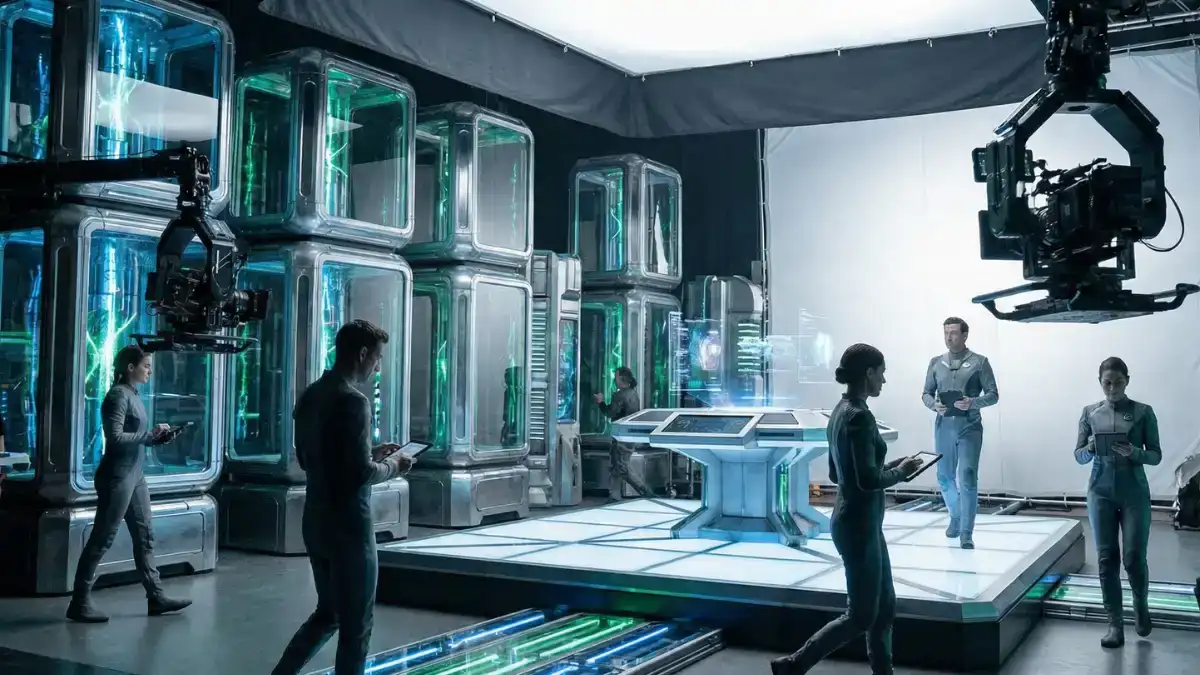
AI image generation does not merely “copy and paste” parts of existing pictures. Instead, it operates by learning from millions of images to understand how shapes, colors, and textures interact.
When you input a prompt, the AI:
- Breaks down your text into specific visual concepts.
- Predicts how those elements should appear together based on its training.
- Constructs a brand-new image pixel by pixel.
Because the system builds the image from scratch every time, AI image generation ensures that even the exact same text prompt never yields the exact same result twice.
Why the World is Shocked
The collective awe surrounding this technology stems from the blend of realism and creativity. Faces look unmistakably human, landscapes feel alive, and fantasy scenes appear grounded in reality.
The quality is so convincing that AI image generation is now standard in:
- YouTube thumbnails
- News illustrations
- Video game design
- Book covers and marketing assets
The Double-Edged Sword: Good or Scary?
Like any transformative technology, the rise of AI image generation brings both incredible opportunities and valid concerns.
| The Good Side | The Scary Side |
|---|---|
| Democratization: AI image generation allows anyone to create professional-grade art without years of training. | Misinformation: Realistic fakes can be generated to spread false narratives or “deepfakes.” |
| Efficiency: Ideas turn into visual reality instantly, speeding up workflows for designers. | Blurred Reality: It is becoming increasingly difficult to distinguish between actual photography and AI-generated content. |
| Limitless Creativity: Small creators can visualize complex concepts that previously required big studio budgets. | Ethical Concerns: There are ongoing issues regarding copyright, artist credit, and the origin of training data. |
The Future of Imagination
We are only in the early stages. The future of AI image generation promises even more integration, including real-time visual creation during speech, personalized art styles, and interactive images that react to human emotion.
What once lived exclusively in the human mind can now be projected onto a screen instantly. It is unbelievable, yes—but it is here, and it is just getting started.