
The Alarm Nobody Heard
At 3:14 AM on a Tuesday, a hospital in Illinois lost access to every patient record, every monitor feed, every surgical schedule. No explosion. No break-in. Just a single employee who clicked the wrong email link 48 hours earlier. By morning, surgeries were cancelled, patients were redirected, and a ransom demand for $4.5 million sat on the IT director’s screen.
This is what a ransomware attack looks like in 2026. Silent. Fast. Devastating.
- The Alarm Nobody Heard
- What Ransomware Actually Does (In Plain English)
- 2025–2026: The Numbers Are Shocking
- Why America Is the #1 Target
- The New Ransomware Playbook: Double and Triple Extortion
- Ransomware-as-a-Service: Crime on Autopilot
- Who Gets Hit the Hardest in the US?
- How to Actually Protect Yourself (Not Just the Basics)
- Should You Ever Pay the Ransom?
- Conclusion: Ransomware Is Not Going Away
What Ransomware Actually Does (In Plain English)
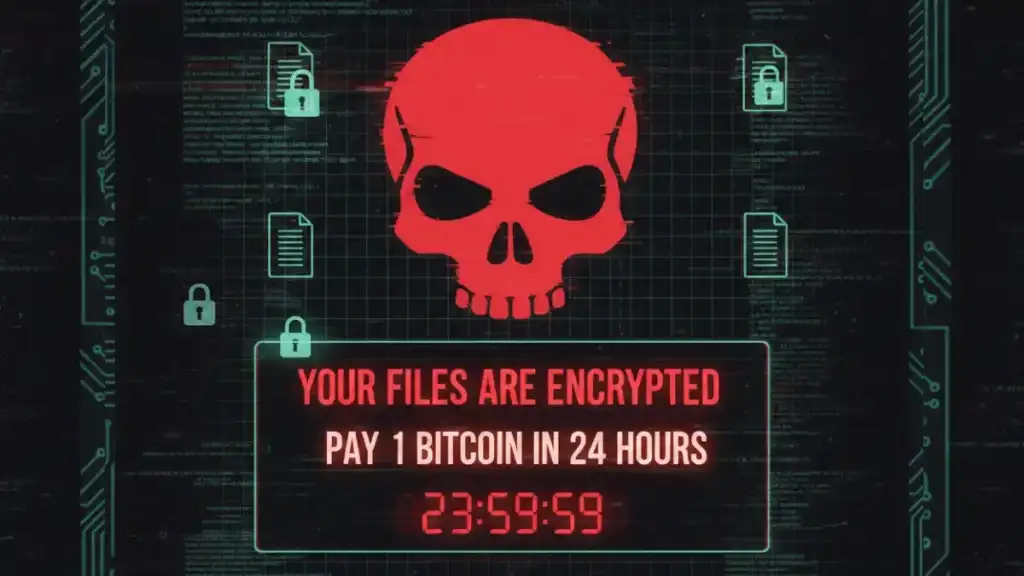
Most people imagine hackers furiously typing in dark rooms. The reality is far more unsettling. Modern ransomware is largely automated. Once it enters your system, it quietly maps your entire network, identifies your most valuable files, disables your backups, and then encrypts everything — all before a single human at the attacking end even wakes up.
Ransomware does not just lock your files.It holds your entire business hostage
2025–2026: The Numbers Are Shocking
The ransomware economy is now larger than many legitimate industries:
- $46 billion in global ransomware damages reported in 2025, up from $20 billion in 2021
- Every 11 seconds a new ransomware attack is launched somewhere in the world
- 73% of US businesses hit by ransomware paid the ransom — and 40% never fully recovered their data even after paying
- The average downtime after a ransomware attack is 22 days
- Healthcare, education, and local government remain the top three targets in the US
Why America Is the #1 Target
The United States is the most targeted nation for ransomware attacks — and for good reason from a criminal’s perspective. American organizations hold enormous amounts of valuable data, many still run legacy systems with known vulnerabilities, and the culture of paying ransoms quickly to avoid reputational damage makes US victims highly profitable.
Ransomware gangs operating from Eastern Europe, Russia, and North Korea specifically profile American companies before launching attacks. They research your revenue, your cyber insurance policy limit, and your tolerance for downtime — then set their ransom demand accordingly.
The New Ransomware Playbook: Double and Triple Extortion
Traditional ransomware was simple — pay up or lose your data. That model has evolved dramatically. Today’s ransomware attacks typically follow a three-stage extortion strategy:
- Stage 1 — Encrypt: All critical files and systems are locked.
- Stage 2 — Threaten to Leak: Attackers publish a sample of your stolen data on dark web leak sites and threaten full release unless you pay.
- Stage 3 — DDoS Attack: If you still refuse, they flood your website and servers with traffic, taking your public-facing operations offline simultaneously.
This triple-threat approach has made ransomware nearly impossible to ignore, even for organizations with solid backups.
Ransomware-as-a-Service: Crime on Autopilot
One of the most alarming developments is the rise of Ransomware-as-a-Service (RaaS). Criminal groups like LockBit, BlackCat, and Cl0p now operate like legitimate software companies — complete with dashboards, customer support, and affiliate programs. They develop the ransomware, rent it out to other criminals who carry out the attacks, and then split the ransom proceeds.
This model has lowered the barrier to entry for cybercrime dramatically. You no longer need technical skills to launch a ransomware attack. You just need a subscription.
Who Gets Hit the Hardest in the US?
- Hospitals and Healthcare: Patient data is worth up to $250 per record on the dark web — far more than credit card data. Ransomware attacks on healthcare facilities have directly contributed to patient deaths when critical systems went offline
- School Districts: K-12 schools are severely underfunded in cybersecurity, making them easy targets. Over 1,600 US schools were hit by ransomware in 2024 alone
- Small Businesses: 60% of small businesses that suffer a major cyberattack, including ransomware, close within six months. Yet most have no incident response plan in place
- Local Governments: Cities including Baltimore, Atlanta, and Pensacola have each spent millions recovering from ransomware attacks that crippled public services for weeks.
How to Actually Protect Yourself (Not Just the Basics)
Most cybersecurity advice stops at “update your software.” Here is what genuinely works in 2026:
- Immutable Backups: Standard backups are no longer enough — ransomware now targets and deletes them first. Immutable backups cannot be altered or deleted by anyone, including your own administrators, making them the single most effective recovery tool available
- Zero Trust Architecture: Stop assuming anyone inside your network is safe. Zero Trust means every user, every device, and every connection is verified before being granted access — every single time.
- Tabletop Exercises: Run simulated ransomware attack scenarios with your team quarterly. Organizations that practice incident response recover up to 70% faster than those that do not.
- Cyber Insurance — Read the Fine Print: Many businesses discovered too late that their cyber insurance policy excluded ransomware payments or had sub-limits that covered only a fraction of actual losses.
- Report to CISA: If you are attacked, report it immediately to the US Cybersecurity and Infrastructure Security Agency (CISA) at cisa.gov. They provide free incident response support and their data helps protect other organizations
Should You Ever Pay the Ransom?
The FBI officially advises against paying ransoms — it funds criminal operations and does not guarantee data recovery. However, the reality is more complicated. For hospitals where patient lives are at risk, or businesses facing permanent closure, the calculus changes.
What is universally true: organizations with strong backups and incident response plans almost never need to face this decision.
Conclusion: Ransomware Is Not Going Away
Ransomware has graduated from a nuisance to a national security issue. The US government has begun treating major ransomware attacks with the same seriousness as terrorism, with the FBI dedicating entire units to tracking and disrupting ransomware gangs.
But the front line of defense is not in Washington. It is in your office, your hospital, your school district, and your home. Understanding how ransomware operates, investing in the right defenses, and building a culture of cybersecurity awareness is the only reliable path forward.
The criminals are organized, well-funded, and constantly evolving. The question is whether your defenses are keeping pace.