
From science fiction novels to the factory floor, robots have captured the human imagination for generations. Once confined to the realm of fantasy or strictly controlled industrial environments, these machines are now becoming an integral part of our daily lives. As technology accelerates, the definition, capability, and potential of robots are evolving faster than ever before.
The Evolution of Robots
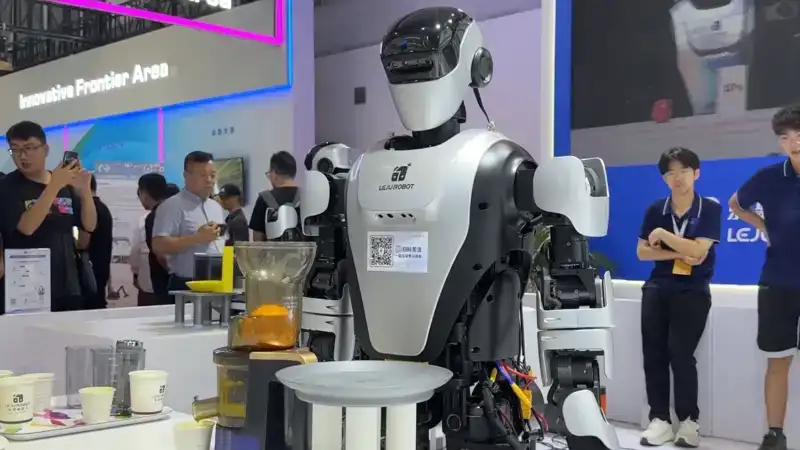
The concept of artificial beings dates back to ancient history, but the modern era of robots began in the mid-twentieth century. Initially, these were simple, automated arms designed for tasks that were too dangerous, dull, or dirty for humans.Today, the landscape is vastly different. Modern robots are no longer just mindless machines repeating a single motion; they are sophisticated systems equipped with sensors, artificial intelligence, and mobility.
How Robots Are Transforming Industries
The most significant impact of robots has been seen in the industrial sector. They have revolutionized how we manufacture goods, process food, and manage logistics.
- Manufacturing: In automotive plants, robots weld, paint, and assemble parts with a precision that human hands cannot match. This leads to safer cars and more efficient production lines.
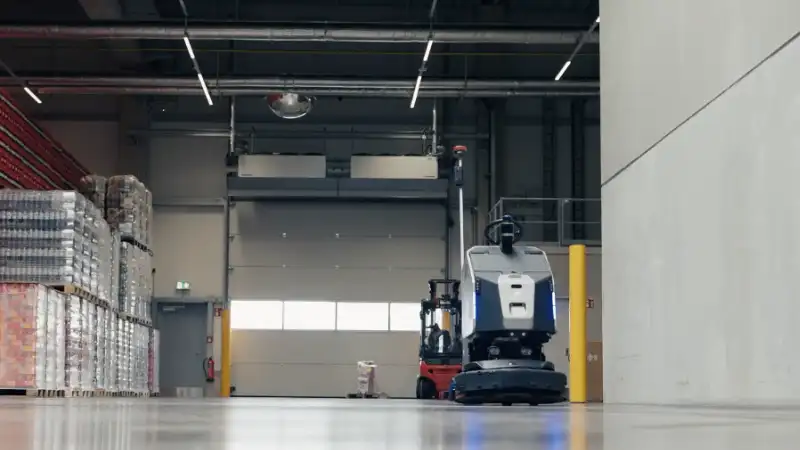
- Logistics and Warehousing: Major companies utilize fleets of mobile robots to move goods across massive warehouses, speeding up delivery times and reducing human error.
- Healthcare: Perhaps the most critical advancement is in medicine. Surgical robots allow doctors to perform complex procedures with minimal invasiveness, reducing recovery times for patients.
The Intelligence Behind the Machine
What sets today’s robots apart is the integration of Artificial Intelligence. An AI-driven robot does not just follow a script; it learns. Machine learning algorithms allow robots to achieve several complex feats:
- Navigate dynamic environments: Self-driving cars can analyze traffic and make immediate decisions.
- Interact with humans: Social robots can recognize faces, understand speech, and even provide companionship to the elderly.
- Adapt to new tasks: Unlike their predecessors, smart robots can be retrained for different jobs without needing to be physically rebuilt.
Robots in Our Homes
We are slowly inviting robots into our personal spaces. It started with the humble robotic vacuum cleaner, a small disc that navigates our living rooms to clean up dust. Now, we are seeing the emergence of broader categories:
- Educational Robots: Toys that teach children coding and logic.
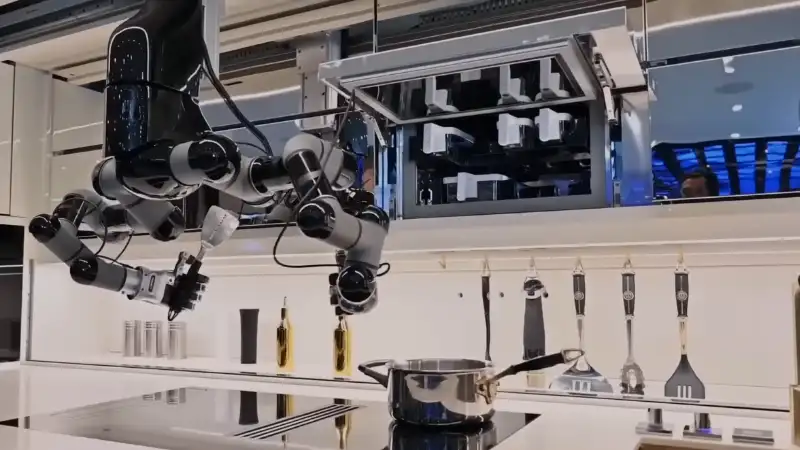
- Service Robots: Machines capable of folding laundry, mowing lawns, or even cooking meals.
Modern robots powered by AI tools like NVIDIA Isaac, OpenAI models, and ROS (Robot Operating System) can see, learn, and make smart decisions in real time.
The Future of Robots
As we look to the future, the line between human and machine capabilities will blur. The next generation of robots will likely be humanoid, designed to navigate a world built for humans. While fears of job displacement exist, history suggests that robots will likely shift the nature of work rather than eliminate it, creating new industries and opportunities for innovation.