
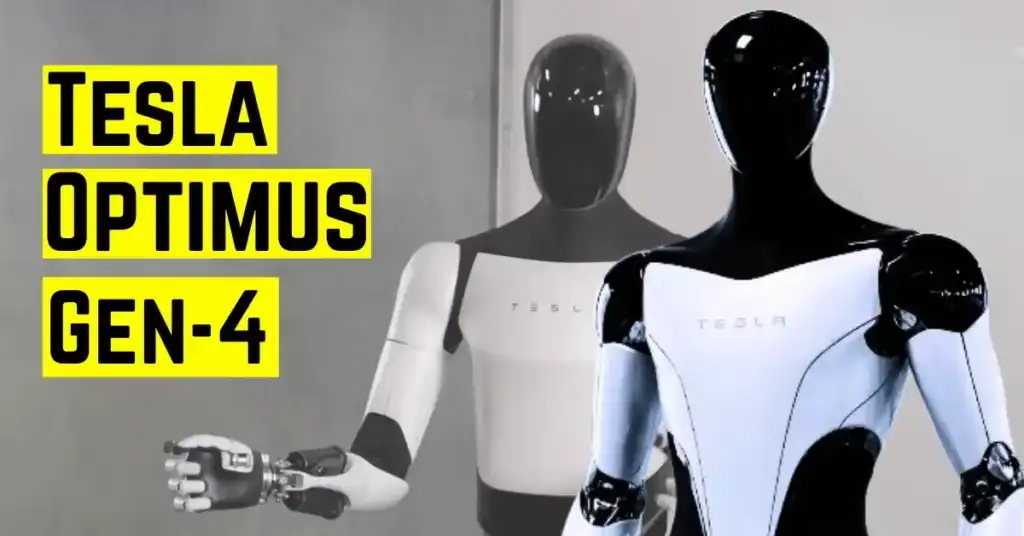
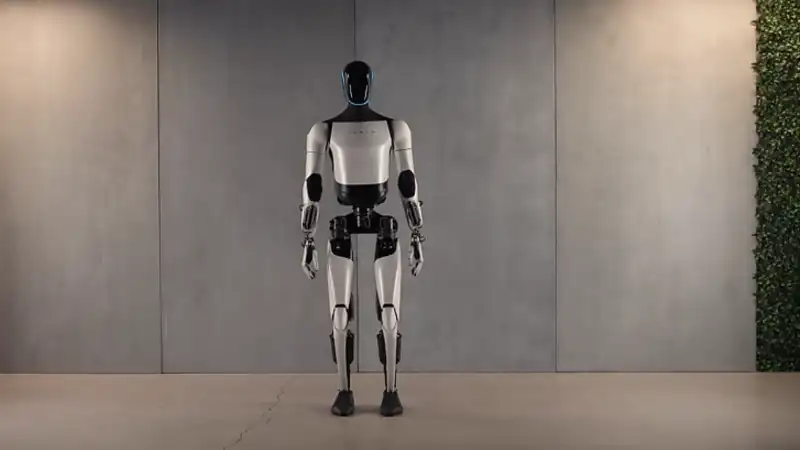
The landscape of labor is undergoing a radical shift as the barrier between artificial intelligence and physical movement disappears. While the past decade was defined by software, the current era is being shaped by machines that can walk, touch, and learn. At the core of this transition is Tesla Optimus, a humanoid robot designed to transition from a laboratory experiment to a fixture of the global industrial complex. This platform represents more than just a mechanical achievement; it is the manifestation of physical AI designed to solve the world’s most repetitive and dangerous tasks.
The Evolution of the Tesla Optimus Gen 3
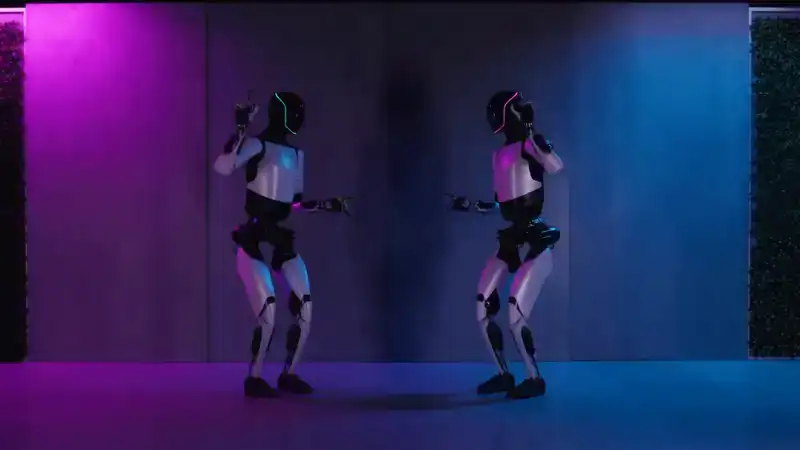
The development of Tesla Optimus has moved at a pace rarely seen in the robotics industry. By leveraging the existing supply chains and neural network training used for electric vehicles, the project has bypassed many of the traditional hurdles of humanoid design. The latest hardware iteration focuses on human-like dexterity and weight efficiency, ensuring that the robot can operate in human-centric environments without requiring specialized infrastructure.
As of early two thousand twenty-six, Tesla Optimus has transitioned into its third major generation. This version features a refined actuator system and a hand design capable of tactile sensing, allowing it to handle delicate objects with precision. The intelligence driving the unit is an end-to-end neural network, meaning it processes visual data and translates it into physical movement without the need for manual coding for every individual task.
Industrial Specifications: Humanoid vs. Legacy Automation
To understand where Tesla Optimus stands in the current technological landscape, it is helpful to compare its trajectory against traditional industrial automation and the previous generation of the robot itself.
| Feature | Industrial Robotics (Legacy) | Tesla Optimus (Gen 3) | Future Outlook |
|---|---|---|---|
| Adaptability | Rigid/Pre-programmed | Neural Network Learning | Fully Autonomous Logic |
| Mobility | Bolted/Fixed | Bipedal Humanoid | All-Terrain Navigation |
| Dexterity | Basic Grippers | Tactile Sensing Hands | High-Precision Crafting |
| Cost Basis | High Capital Investment | Target Consumer Pricing | Universal Accessibility |
| Primary Use | Heavy Manufacturing | General Purpose Labor | Domestic & Commercial |
Strategic Market Impact
The decision to scale Tesla Optimus production involves more than just building a new product; it requires a complete reimagining of the manufacturing floor. By repurposing high-volume production lines previously dedicated to older vehicle platforms, the company is signaling that robotics is now its primary vertical. This “Physical AI” approach ensures that the robot is not just a tool, but a scalable workforce that can be updated over-the-air, much like a smartphone or a modern electric car.
Internally, Tesla Optimus is already being deployed to manage warehouse logistics and parts transport. These real-world tests provide the data necessary to refine its balance and object recognition before it reaches the broader commercial market. The goal is to create a feedback loop where the robot learns from every task it performs, eventually reaching a level of competence that allows it to assist in sectors ranging from construction to elder care.
Final Verdict: The Dawn of Physical AI
The Tesla Optimus project is the most ambitious attempt to date to bridge the gap between high-level reasoning and physical labor. While skepticism often follows such bold claims, the integration of established AI training with a massive manufacturing infrastructure makes this a unique contender in the robotics space. Mobile tech inspires robot hardware, while NVIDIA powers the AI brains that help robots like Tesla’s Optimus learn and think.